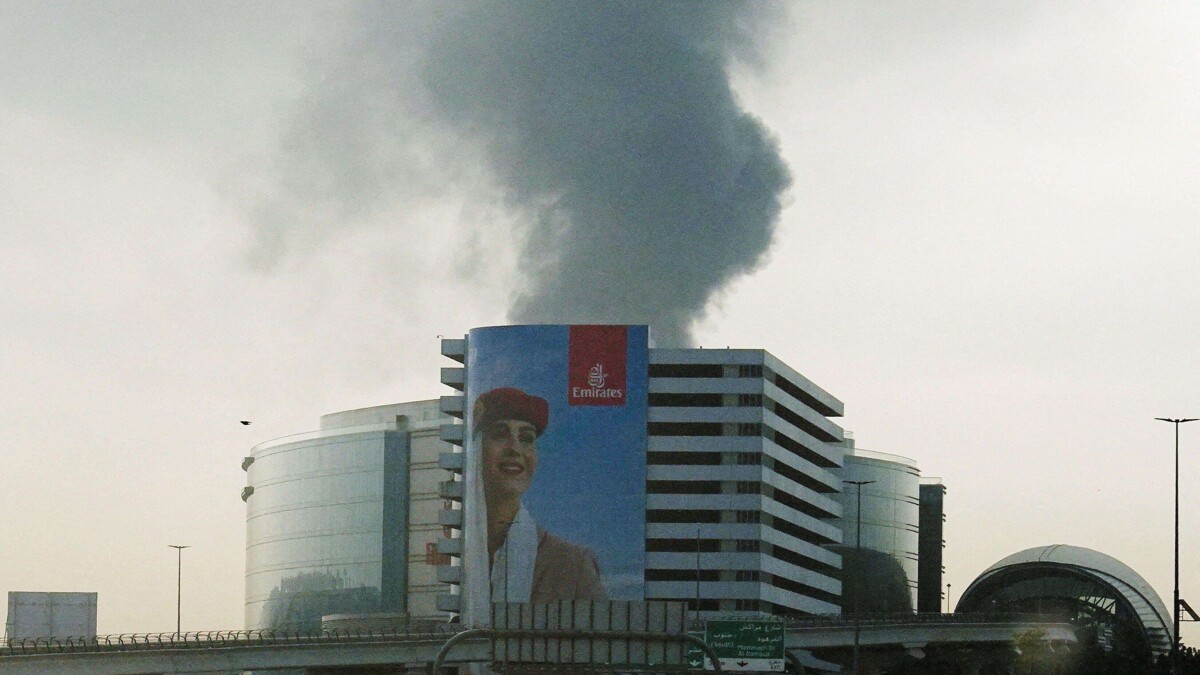
Tensions in the Gulf region are escalating. Iran continues to launch missile attacks across the Gulf as part of its conflict with the US and Israel. On Thursday, Iran attacked the Ras Laffan energy complex in Qatar after Israel struck South Pars in Iran, home to one of the world's largest natural gas fields. So far, Qatar and other Gulf states have opted not to retaliate against Iran despite being targeted. Experts attribute this restraint to a combination of vulnerability, strategic calculation, and limited potential benefit from counter-attacks. The economies of Gulf states depend on energy infrastructure, maritime shipping, and investor confidence—all areas Iran has demonstrated it can disrupt. However, by not attacking Iran, these states are essentially signaling to Tehran that it can inflict severe damage without facing consequences. A primary fear among regional leaders is a repeat of the 2003 scenario, when the US invasion of Iraq led to long-term instability and increased Iranian influence. Despite political displeasure with the actions of the US and Israel, Gulf states remain heavily dependent on US military protection. Ultimately, many analysts believe Iran's high-risk strategy of pressuring the US will likely backfire. Gulf states may decide that their security is at risk and that it makes more sense to support the US campaign to end the immediate threat from Iran.